


In this article, you’ll learn:
- The 7 different classifications of forklifts.
- The importance of choosing the right forklift for your lifting operation.
When it comes to making a decision about the machinery needed for your lifting operations, it is important to understand the options available. Whether your industry is manufacturing, warehousing, agriculture, or construction, choosing the right forklift for the type of work you plan to do will ensure your lifting operation is not only efficient, but as safe as possible. At ICHINEN USA, we only manufacture high-quality, 100% heat treated forklift arms and attachments, but we’ve come to deeply understand the different classifications of forklifts so that we are better able to support our customers.
In this article, we’ll share our extensive knowledge about these immensely versatile industrial trucks and offer some advice on choosing the right one for your needs.
Forklift Classifications
According to the Occupational Safety and Health Administration (OSHA), there are seven classes of powered industrial trucks. Each is designed with specific lifting requirements in mind and choosing the right one can make your lifting operation safer and more efficient.
Class I – Electric Motor Ride Truck
Class I forklifts, known as Electric Motor Riders, are the most common type of forklift. They can be found in warehouses and indoor manufacturing plants and use an electric battery. That electric motor keeps noise down and creates no emissions, making them safer for indoor use. Those batteries also work as a counterbalance to the truck’s load to help balance and maintain safe lifting capacity.
Class II – Electric Motor Narrow Aisle Truck
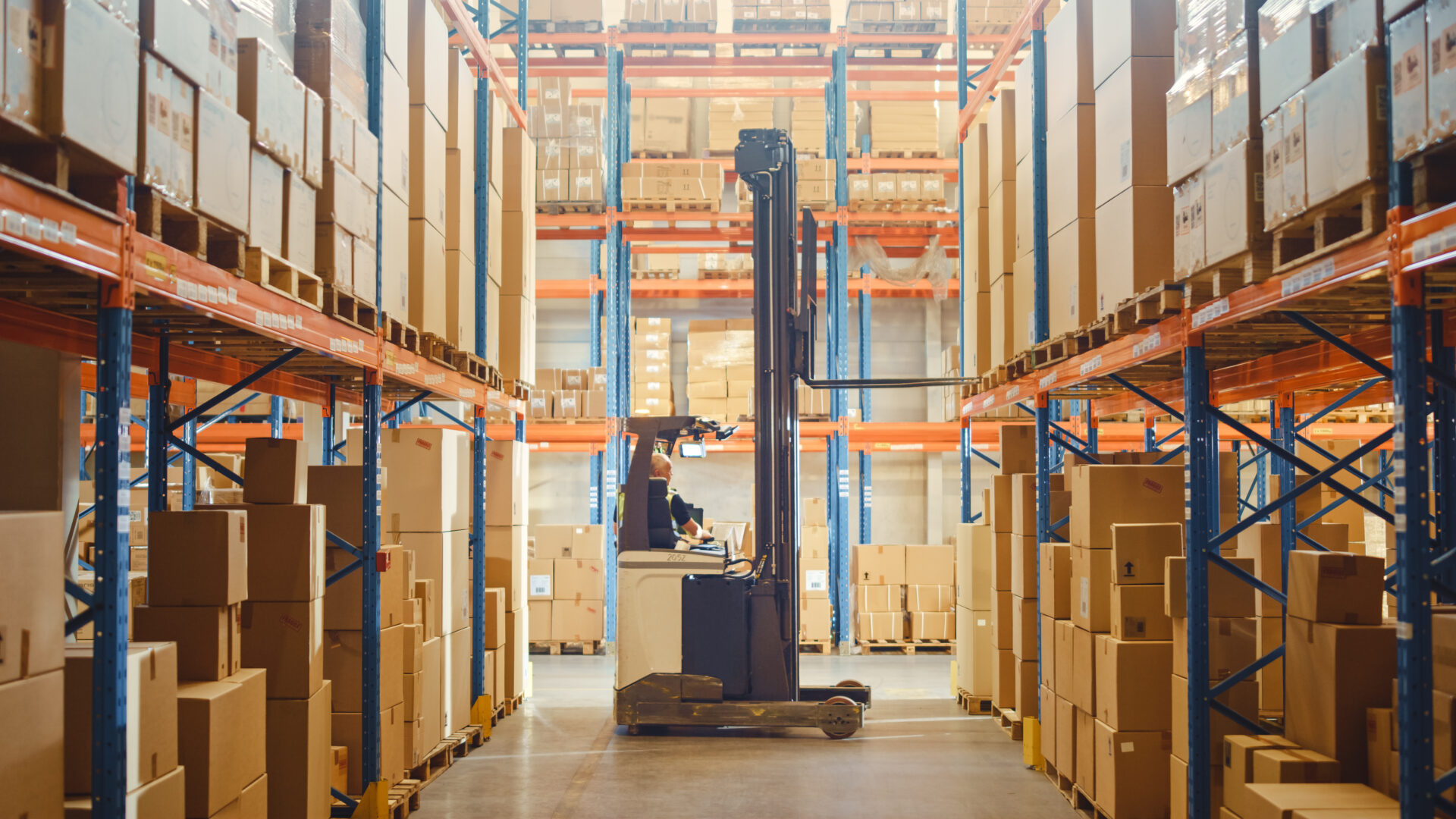
As the name suggests, Class II forklifts are designed for maneuverability and navigating narrow spaces or along tight corridors. Commonly seen in retail warehouses, they are perfect for picking and putting away inventory. Because of their narrow form-factor, these trucks make it possible for warehouses to maximize their racking space without needing to rearrange or change their floorplan.
Class III – Electric Motor Hand Truck
The Class III group of forklifts includes pallet jacks, stackers, and tow tractors. These trucks come both in models that can be ridden or walked behind and are perfect for unloading deliveries from the back of trucks, and for moving loads from one location to another. Instead of having a cabin or other external controls, these trucks are maneuvered manually, either by pushing or pulling.
Class IV – Internal Combustion Engine with Cushion Tires
Designed for indoor use, Class IV trucks utilize an internal combustion engine that runs off of diesel fuel, LP Gas, gasoline, or compressed natural gas. Their tires are solid, but cushioned, to ensure a smooth ride that is 100% puncture proof. These trucks are similar to Class I forklifts in appearance, with the main difference being in their fuel-type and tires. Keep in mind that these trucks emit fumes and should only be used in facilities that have adequate ventilation.
Class V – Internal Combustion Engine with Pneumatic Tires
Need a forklift that can handle uneven terrains? A Class V is likely perfect for you. Similar to Class IV in fuel type, this classification of forklift has pneumatic tires that are ideal for lumberyards, construction sites, and other outdoor sites.
Class VI – Electric and Internal Combustion Engine Tractors
The most common place you might see a Class VI forklift is at an airport, where they are needed to tow, rather than lift. Designed specifically for pulling loads of all sizes, electric and internal combustion engine tractors are capable of towing loads up to 50,000 pounds. This classification of forklift is also commonly found in assembly lines where moving large, heavy loads is necessary to keep production moving.
Class VII – Rough Terrain Forklift Truck
These forklifts are the off-road warriors of forklift classifications. Designed to be used on rough, uneven surfaces they are perfect for working outdoors on gravel or dirt paths. Since they are made with specialized tires and counterweights, they are specific to outdoor use, where carrying loads safely over uneven and unexpected terrain is necessary,
Choosing the Right Forklift for the Job
With all of those classifications in mind, it can seem daunting to choose the right one. There are a few important factors to consider when it comes to choosing the forklift you need for your lifting operation. We recommend keeping the following in mind to help make your choice.
- Fuel Type: Is your job site indoors or outdoors? If you’re working indoors, does your facility have adequate ventilation or sound management? Ensuring the safety of your worker’s health and well-being is critical, so choosing a forklift with an electric battery may be necessary as they run quieter and with no emissions.
- Load Capacity: What are the requirements for your lifting operations? What materials do you need to transport? Are you moving lightweight, but awkward shapes? Or, do you need a more heavy duty machine to ensure you can safely lift large and heavy loads? Consider what you’re lifting and where it needs to be transported when choosing your forklift.
- Job Site Requirements: The biggest deciding factor when choosing a forklift classification that is right for your job is going to be the worksite environment. A warehouse with narrow racks is going to require a forklift with the dimensions and maneuverability to meet those needs, while a construction site with rocky and uneven terrain will need one with the ability to safely move loads from one side of the site to another. Carefully consider your worksite before making a decision.
The Highest Quality Fork Arms and Attachments
At ICHINEN USA, our goal is to provide the highest quality, 100% heat treated fork arms and fork attachments. Whether you choose the popular and versatile Class I forklift, or need a heavy-duty Class VII for your outdoor worksite, pair it with a set of our Premium or Standard fork arms to maximize efficiency and safety. If you have questions about which fork arm is right for your forklift, contact us today! And, keep an eye out for our upcoming article that details the different types of forklift arms and forklift attachments.