Innovation in Forklift Forks: The Science Behind Heat Treatment

When you watch a forklift effortlessly lift a multi-ton pallet of goods and place it on a high rack, your eyes naturally gravitate toward the vehicle itself. You look at the mast, listen to the hum of the hydraulics, or notice the tight turning radius. Rarely does anyone stop to look at the forks.

To the untrained eye, a forklift fork is just a simple, L-shaped piece of heavy iron. It looks static, indestructible, and entirely uncomplicated.

But talk to any warehouse manager who has dealt with a catastrophic fork failure, or any procurement officer looking at a bill for premature heel wear, and they will tell you a very different story. Forklift forks are highly engineered, dynamic safety components. Left in their raw steel state, they would quickly bend under standard industrial loads or crack under the relentless vibration of a warehouse floor.

The secret to their strength isn’t just the thickness of the metal. It is an invisible, microscopic transformation brought about by advanced metallurgy. At ICHINEN USA, we believe that understanding the science behind your equipment is the first step toward optimizing your operation. Here is a look inside the furnace to see how innovative heat treatment transforms raw steel into an indestructible industrial asset.

In this article, we’ll:

  • Uncover the hidden engineering behind forklift forks and why they are critical safety components rather than just simple pieces of iron.
  • Break down the science of heat treatment, explaining how molecular processes like quenching and tempering give steel its strength and flexibility.
  • Highlight the ICHINEN USA advantage, showcasing the precision manufacturing and rigorous testing that prevent catastrophic fleet failures.
  • Translate metallurgy into business value, demonstrating how superior fork construction directly reduces operational costs and extends equipment lifespan.

The Anatomy of a Fork Arm

To understand why heat treatment is so critical, we first have to look at the severe physical forces a fork experiences every single day. A standard forklift fork is divided into three primary zones: the blade (the horizontal section that enters the pallet), the shank (the vertical backpiece), and the heel (the 90-degree bend connecting them).

The heel is the epicenter of stress concentration. When a forklift picks up a heavy load, physics wants to straighten that 90-degree angle out. The top of the heel experiences massive tensile stress (pulling forces), while the inside of the bend experiences intense compressive stress (crushing forces). Furthermore, every time the forklift drives over a dock plate, an expansion joint, or a pothole, those forks flex and vibrate like a tuning fork.

This creates a massive structural paradox for manufacturers:

  • If the steel is too soft, the forks will gradually bend downward over time, ruining the load angle and scraping the floor.
  • If the steel is too hard, it becomes brittle. Instead of bending under an accidental overload, it will catastrophically snap without warning.

How do you create a piece of steel that is incredibly hard on the outside to resist scraping and wearing, yet flexible enough to absorb thousands of micro-shocks every hour? You change its molecular DNA using heat.

Molecular Magic: Quenching and Tempering

Raw steel is made of iron atoms arranged in a grid, with carbon atoms tucked into the gaps. In its untreated state, this structure (often called pearlite or ferrite) is relatively soft and malleable. If you put a heavy load on it, the layers of atoms easily slide past one another, causing the metal to bend permanently.

To fix this, the steel must undergo a multi-step heat treatment process that alters its crystal structure.

1. Austenitizing (The Reset)

First, the raw forged fork is placed into a specialized industrial furnace and heated to an extreme temperature, typically well over 1,500°F (815°C). At this glowing, red-hot temperature, the steel undergoes a phase change. The iron atoms rearrange themselves into a spacious grid called austenite, which allows the carbon atoms to dissolve uniformly throughout the metal.

2. Quenching (The Lock)

Once the steel reaches perfect uniformity, it is pulled from the furnace and immediately plunged into a liquid bath—usually a highly formulated engineering oil or water. This process is called quenching.

The sudden drop in temperature causes a thermal shock. The iron atoms try to snap back into their original room-temperature grid, but they move too fast for the carbon atoms to escape. The carbon atoms get trapped in the grid, warping it into a highly strained, incredibly tight needle-like structure called martensite. Martensite is extraordinarily hard and completely unyielding. If you tried to use a fork in this state, it would be as hard as a file—but it would shatter like glass if dropped.

3. Tempering (The Balance)

To eliminate that dangerous brittleness, the fork goes back into a lower-temperature furnace (usually between 700°F and 1,000°F) for a precisely timed period. This is called tempering.

Tempering allows the trapped carbon atoms to relax just enough to relieve the internal structural stress. It trades away a tiny fraction of the extreme hardness in exchange for immense toughness and ductility.

  • Ductility is the metal’s ability to deform slightly under stress and snap back to its original shape, rather than breaking. Tempering gives the fork its muscle memory.

The ICHINEN USA Advantage

In the world of heat treatment, close enough is never good enough. If a furnace is off by just a few degrees, or if a fork is cooled a few seconds too slowly, you end up with soft spots or micro-cracks inside the steel that cannot be seen by the naked eye. These hidden flaws act as ticking time bombs on a busy warehouse floor. 

At ICHINEN USA, our manufacturing innovation centers around precision and uniformity:

  • Advanced Atmospheric Furnaces: We utilize state-of-the-art furnaces that ensure the heat is perfectly distributed across the entire length of the fork. The thick heel receives the exact same thermal penetration as the thin tip of the blade.
  • Strict Adherence to Standards: Every single fork we produce is manufactured to meet or exceed rigorous international standards, including ISO 2330 and ANSI/ITSDF. These standards mandate strict yield strength and impact toughness thresholds.
  • Destructive and Non-Destructive Testing: We don’t just assume the heat treatment worked. Our quality control process involves hardness testing across multiple points of the fork, magnetic particle inspection to detect microscopic surface cracks, and fatigue testing to simulate years of brutal, real-world wear and tear.

Real-World Value: Why Heat Treatment Matters to Your Bottom Line

While metallurgical theory is fascinating, what matters most is how this science translates to daily operations. Investing in forks backed by superior heat treatment yields distinct operational advantages:

FeatureThe ScienceThe Real-World Benefit
Reduced Heel WearHigh surface hardness from precise tempering.Forks last significantly longer before hitting the 10% wear limit, saving thousands in premature replacement costs.
Accidental Overload ProtectionHigh tensile strength combined with structural ductility.If an operator accidentally overloads a fork, the steel will bend rather than snap, preventing catastrophic dropped-load accidents.
Cold Storage ResilienceOptimized microstructure prevents low-temperature brittleness.Standard steel becomes brittle in freezing environments. ICHINEN forks maintain their impact toughness even in deep-freeze food logistics.
Micro-Shock AbsorptionHigh fatigue resistance from uniform grain structure.The forks easily handle the constant rattling of driving over rough yard terrain or high-speed dock loading without developing stress fractures.

The Invisible Standard of Safety

A forklift fork is ultimately a safety component. It is the only thing standing between a two-ton payload and the concrete floor—or worse, a nearby pedestrian worker. Treating it as a simple piece of shaped metal is a risk no modern supply chain can afford to take.

At ICHINEN USA, we don’t view heat treatment as a routine box to check in the manufacturing process. We view it as the core science of reliability. By mastering the molecular manipulation of steel, we ensure that every fork delivers maximum lifespan, unmatched durability, and absolute peace of mind for your operators.

Don’t wait for a bent fork or a failed inspection to think about your fleet’s material handling integrity.

Ready to upgrade your fleet’s safety? Contact the ICHINEN USA team today to consult with our product experts, explore our high-performance fork solutions, or request a custom quote for your operations.
6 Industries Made More Efficient by Forklifts

Visit almost any industrial facility today – a bustling warehouse, a humming manufacturing plant, or a sprawling construction site – and you’ll quickly spot them: forklifts. The workhorses of the industrial world, forklifts glide, lift, and transport with an almost effortless grace, moving loads that would be impossible for humans to handle. 

At ICHINEN USA, we know forklifts intimately. As a leading manufacturer of high-quality fork arms, components, and equipment for forklifts, we understand that forklifts are not merely machines; they are vital tools that transform and optimize operations across a diverse range of industries, making them safer, more efficient, and ultimately, more profitable. 

Forklifts & the Industry Revolution

With our experience manufacturing fork arms and fork accessories, we’ve had the opportunity to work with the many different industries that utilize forklifts in their operations. Though there are other places where these versatile machines may be seen, the following industries have been reshaped by forklifts forever, making them safer and far more efficient. 

Warehousing & Logistics

Perhaps the most obvious beneficiary, the warehousing and logistics sectors rely almost entirely on forklifts. They enable high-density storage solutions, allowing facilities to maximize every cubic foot of space. Rapid order fulfillment, efficient cross-docking operations, and precise inventory management would be impossible without them. Read our blog to learn more about the benefits of forklifts for warehousing.

Manufacturing & Production

In manufacturing, forklifts are indispensable for the seamless movement of raw materials to production lines, the transport of work-in-progress between stations, and the efficient handling of finished goods ready for shipment. Modern just-in-time (JIT) delivery systems are entirely dependent on the swift and precise internal logistics that forklifts provide. Whether it’s handling delicate electronic components or maneuvering massive machinery parts, the precision and heavy-duty nature of the fork arm are paramount.

Retail & E-commerce Distribution Centers

The explosion of retail and e-commerce has put immense pressure on distribution centers, making them the backbone of modern consumerism. Forklifts are key to the speed and accuracy required for picking, packing, and shipping millions of items daily. Here, agile forklifts navigate narrow aisles and handle an incredibly wide variety of product sizes and weights with efficiency.

Construction

On dynamic construction sites, forklifts are essential for transporting heavy building materials such as bricks, lumber, steel beams, and prefabricated components. They significantly improve safety by reducing the need for manual handling of cumbersome and heavy loads, and as a result, they minimize worker fatigue and injury risk. 

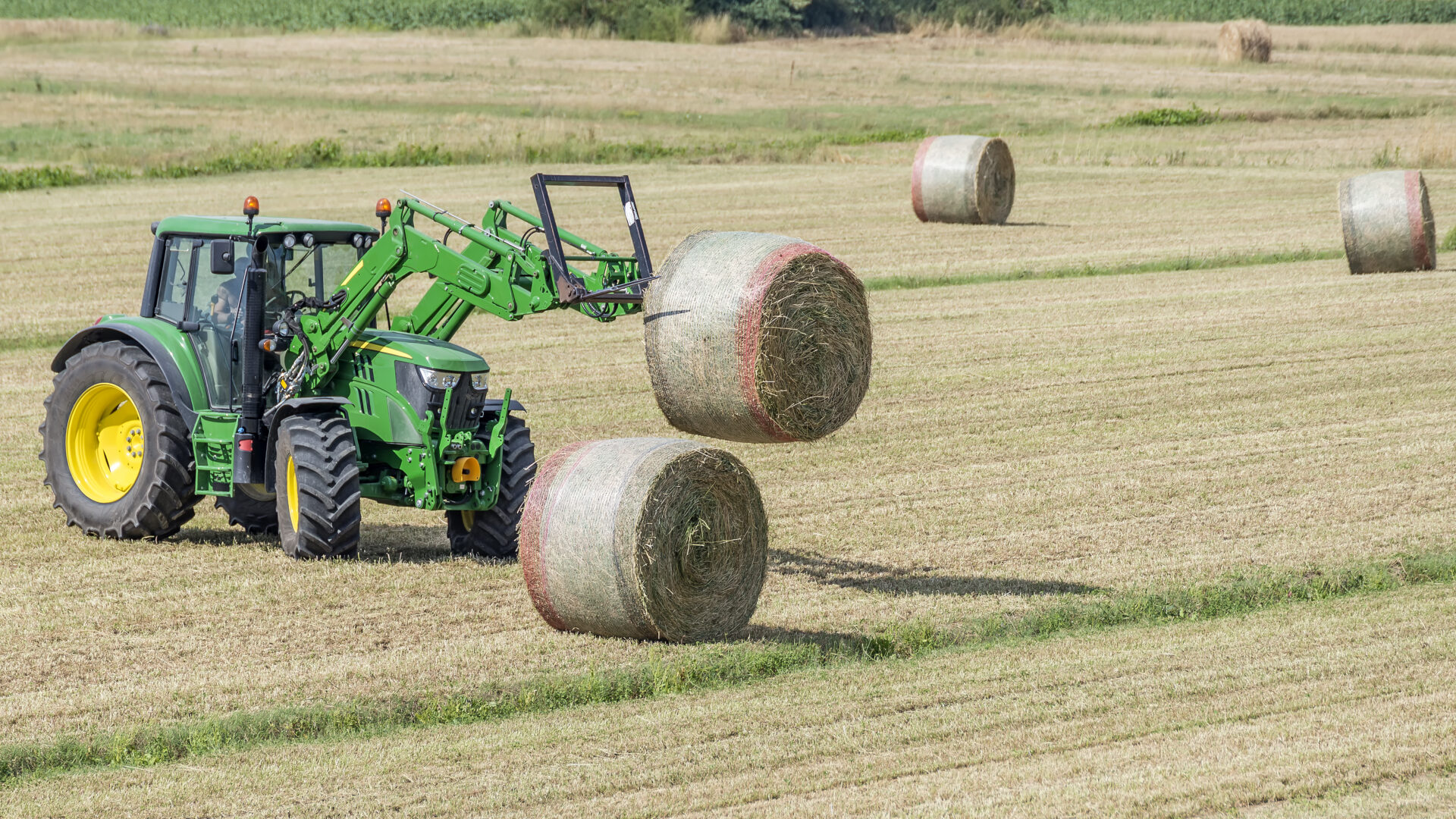
Agriculture & Food Processing

From the fields to the processing plants and ultimately to cold storage, forklifts play a vital role in the agriculture and food processing industries. They are used for moving harvested produce, handling bulk ingredients, and stacking finished food products. In hygiene-sensitive environments, specialized fork arms, often made of stainless steel, ensure compliance and cleanliness, while others are designed for the delicate handling of fresh produce or the robust lifting of heavy bulk bags.

Ports & Shipping

At the heart of global trade, ports and shipping yards are scenes of constant activity, with forklifts tirelessly loading and unloading cargo from ships, trains, and trucks. The sheer volume and weight of goods moved demand for forklifts with extreme load capacities and the ability to operate continuously under immense pressure. This is where the most durable and robust forklifts truly prove their worth, ensuring the uninterrupted flow of goods across continents.

Uplifting Your Industry’s Potential

As industries evolve, so too do the demands on material handling equipment. Trends like automation, the rise of electric forklifts, and the development of smart warehouses are reshaping the landscape. At ICHINEN USA, we are continuously innovating, developing fork arms that are compatible with new automated systems, and crafting customized solutions for the emerging needs of every sector.

Our commitment remains steadfast: to continue supporting these vital industries with cutting-edge fork arm technology, ensuring that the unsung heroes of efficiency – forklifts – always have the best tools for the job.

Forklifts are truly indispensable to the efficiency, safety, and profitability of countless industries worldwide. Their ability to move, stack, and organize materials with unparalleled speed and precision is a cornerstone of modern commerce. If you’d like to learn more or are interested in discussing upgrading or replacing your forklift’s fork arms or fork arm accessories, contact us today!

The Benefits of Forklifts for Warehousing

The warehousing industry is a pivotal part of the economy, vital to the core of what keeps the world moving. Because of this, modern warehouses everywhere face challenges like warehouse layouts, complex order management and inventory control requirements, and the ebbs and flows of the seasons. These challenges make efficient material handling even more crucial. Ensuring your warehouse has the right equipment for the job ahead will keep your product cycle flowing smoothly. Forklifts are one of the most critical equipment solutions for warehouse operations. At ICHINEN USA, we manufacture high-quality standard and premium fork arms and forklift arm accessories. We have learned much about the numerous benefits of forklifts in many industries. However, because of their versatility and adaptability and their specific benefits to warehousing, we decided to take a deeper look.

Increase Warehouse Productivity & Efficiency

The most significant advantage of utilizing forklifts in your warehousing operations is that you can reduce your labor needs by expediting your ability to move material safely. Forklifts can rapidly lift and transport much heavier loads than manual handling methods, increasing the fluidity of the warehouse’s workflow.

By increasing productivity and efficiency, forklifts also minimize the physical strain on warehouse workers, allowing them to quickly move large volumes of material. Mechanized material handling has many ergonomic advantages, reducing fatigue from longer warehousing hours.

Invest in Versatility. 

While a forklift may be a significant upfront investment, the long-term financial benefits of having one in your warehouse add up. With the long-term operational savings from more operating efficiency and the added savings from reducing your warehouse’s labor costs, it’s easy to see how cost-effective the initial significant investment of a forklift could quickly turn into long-term financial advantages. 

As warehouses have evolved into the modern era, so have forklifts. In warehousing, standard forklifts include counter-balance forklifts, reach trucks, pallet jacks, order pickers, and side loaders. Each has specific roles—for example, counter-balance forklifts were the most common type of forklift trucks to see in warehouses. However, as the warehousing world has changed, it is common to see order-pickers and side-loaders that can navigate tighter rows. Due to their adaptability, it’s not uncommon to see forklifts of all kinds crossing into multiple warehouse areas to complete multi-functional operations. Since forklifts evolved side-by-side with warehousing, their versatility and multi-purpose functionality have made them essential to warehouse operations. 

Modernize Technology & Safety Standards.

With guidance from regulatory bodies like the Occupational Safety and Health Administration (OSHA), forklift operators are trained in standard operating procedures to ensure they safely operate their machines and avoid making any common forklift safety violations. However, forklift safety does not start at the warehouse. Instead, forklift manufacturers take safety seriously from inception. 

Whether a forklift has high-tech upgrades or high-quality fork arm attachments installed, modern forklifts are designed with worker safety in mind.  From stability mechanisms, visibility improvements, operator protection systems, and technological integrations like sensors and cameras, forklifts aim to reduce and minimize human error in material handling while limiting the potential for workplace accidents. As technology has advanced, electric and sustainable forklift options have become available, allowing warehouses to lower their carbon footprint and improve worker satisfaction by reducing operational noise levels. 

Integrating innovative technology like GPS tracking, performance monitoring, and automated guidance has allowed companies to expand their understanding of their operations. Forklifts with smart integrations are safer and more efficient and can also collect data and offer insights into the important details of their business.

Choosing the Right Forklift for Your Warehouse

Choosing the right forklift for your warehouse operation will depend on several factors. Start by getting a clear understanding of forklift load capacity. Then, consider your warehouse layout and any space constraints you and your team are under. Once you’re comfortable with how your space works and what forklifts are capable of, consider the material you are handling. Is it heavy or bulky? Do you need to lift large pallets up high, or must a worker be able to side-load material?  

No matter your needs, a forklift is a significant investment in your warehouse operation. Remember that forklifts enable your enterprise to lift and move material goods efficiently and keep your workforce safe and healthy while empowering you to do more. 

Keep your warehouse moving.

Modern warehousing is a complex industry that is crucial to the flow of many others. Ensuring that your warehouse is running smoothly and efficiently without compromising worker safety, health, and wellness will keep costs down and products moving. Investing in the right forklift for the job is a choice that any warehousing company should consider when evaluating their material handling solutions. 

At ICHINEN USA, we only manufacture forklift arms and forklift arm accessories. Still, we work hand-in-hand with many different companies from various industries to help them discover what is possible and make the most of their machinery.

If you want to improve your warehouse’s productivity, efficiency, and safety, we’re here to help! Reach out today to learn more about our forklift arms and accessories.