The Anatomy of a Forklift Fork

In this article you will learn:

  • The importance of each component of a forklift fork, from the blade to the heel to the shank.
  • Why maintaining the quality of your fork is important
  • How to determine what fork you should get based on the class of truck you’re operating

If you spend your day in a warehouse, the forklift is your most trusted coworker. You rely on it to move thousands of pounds with precision, but how often do we stop to look at the business end of the machine?

At first glance, a forklift fork looks like a simple L-shaped piece of metal. But in reality, it is a highly engineered component designed to handle extreme stress, heat, and weight. For operators and fleet managers, understanding the anatomy of a fork isn’t just about shop talk, it’s about safety, maintenance, and knowing when your equipment is ready for retirement.

At ICHINEN USA, we specialize in Tier 1 forks that meet rigorous ITA (Industrial Truck Association) standards. With this article we will be breaking down what makes up a forklift fork and how it stays connected to your truck.

The Blade

The blade is the part of the fork that does the heavy lifting. It’s the horizontal surface that slides under the pallet. While it looks flat, a high-quality blade actually has a slight taper toward the tip. This makes it easier to enter pallets without snagging the wood.

  • The Tip: This is the leading edge. It’s often the first part of the fork to show damage or “rounding” from hitting floors or racking.
  • The Blade Face: This is the top surface where the load rests. In premium forks, like those at ICHINEN USA, this steel is 100% heat-treated to ensure it doesn’t bend or set under maximum capacity.

The Heel

If the blade is the arm, the heel is the elbow. This is the most critical stress point on the entire fork. Every time you lift a load, the weight tries to unbend the fork at this 90-degree angle.

To combat this, quality forks feature a thicker heel. If you measure a fork and find the heel is thinner than the rest of the blade, it’s a sign of wear. Once a heel loses 10% of its original thickness, its capacity is reduced by 20%, meaning it’s time to replace it.

The Shank

The shank is the upright part of the fork that stands against the carriage. It transfers the weight of the load from the blade into the truck’s lifting mechanism. 

The height of the shank is determined by the “class” of your forklift carriage. The “class” refers to the distance between the top and bottom of the carriage bars:

  • Class II: 16 inches (Common for 2,000–5,500 lb capacity trucks)
  • Class III: 20 inches (Common for 6,000-10,000 lb capacity trucks)
  • Class IV: 25 inches (Heavy Duty)

Using the wrong class is like trying to put a size 10 shoe on a size 12 foot, it won’t seat properly, and it creates a massive safety risk for the operator.

The Connection Point

This is the area most people overlook, yet it is what keeps your load from sliding off or the fork from falling off the truck entirely. Forks don’t just hang there; they are secured via the carriage.

The Carriage

The carriage is the metal platform that moves up and down the mast. It serves as the mounting bracket for your forks and the load backrest. To ensure parts are interchangeable across different brands, the industry uses ITA classes based on the truck’s lifting capacity.

Hook-Type vs. Pin-Type Attachments

There are two primary ways a fork “grips” the carriage:

  • Hook Type (Standard): Most warehouse forklifts use hook-type forks. These have two hooks on the back of the shank (an upper and lower hook).
    • The Upper Hook – hangs over the top bar of the carriage
    • The Lower Hook – slides into a notch at the bottom of the carriage
    • The Locking Pin – Located at the top of the fork, this spring-loaded pin drops into a notch on the carriage rail to “lock” the fork in place, preventing it from sliding left or right while you’re turning.
  • Pin-Type (Shaft Mount): Common on much larger, heavy-duty trucks (like those used in lumberyards and construction), these forks don’t have hooks. Instead, the top of the shank has a large circular “eye.” A heavy-duty steel shaft runs through the eye of the fork and across the carriage. This is used for extreme weights where a hook might fail.

The Maintenance Checklist

Because you are the one with first-hand knowledge of what is going on with your forklift trucks, you are the first line of defense against equipment failure. During a pre-shift inspection, you should also be looking for these warning signs:

  1. Surface Cracks – Check the heel and the hooks. Even a tiny hairline crack means the steel’s integrity is gone.
  2. Difference in Tip Height – If one fork tip sits higher than the other, one of your forks is bent. They should always be level within 3% of the blade length.
  3. The 10% Rule – Use a fork caliper to check the thickness of the heel. If it is worn down by 10% compared to the shank, the fork is no longer rated for its original capacity.

Choosing the Correct Fork for Your Forklift

A forklift fork isn’t just a hunk of iron; it’s a precision tool. By understanding the anatomy, from the taper of the tip to the Class of the carriage hooks, operators can work more efficiently and safely.

At ICHINEN USA, we take pride in the bones of our forks. Our 100% heat-treating process and focus on ITA standards mean our forks are built for the daily grind of the modern warehouse. When you know your anatomy, you know your limits—and that’s how you keep the floor running smoothly.


Contact us today to get started on choosing the correct fork for your forklift truck.
Innovation in Forklift Forks: What’s Next for Safety and Durability

In this article, you’ll learn:

  • How fork arm manufacturers are innovating to go beyond standard steel
  • How high-strength alloys and new surface coating developments are making fork lifts safer
  • How the shape of fork arms are changing to improve operator visibility
  • The real difference between a standard and premium fork for long term investments
  • What’s ahead for the future of fork arms.

Whether you work in manufacturing, warehousing, construction or one of the many industries that keep our modern world moving, the forklifts on your worksite are undoubtedly the workhorses of your fleet. One of the forklift’s most critical components is the fork arm. These steel extensions are the primary point of contact with every pallet, load, and surface and are constantly enduring immense stress, abrasion, and fatigue.

The quality of the fork arm fundamentally determines your operational efficiency and safety. As worksites grow larger and material handling demands become more intense, the industry is looking beyond standard steel designs. 

What innovations are coming to ensure the forks of the future can meet these rising demands? At ICHINEN USA, we manufacture high-quality, 100% heat-treated fork arms and thought we’d take a moment to explore recent advancements in materials and the integration of smart technology, and how these changes are redefining durability and safety on the warehouse floor.

Going Beyond Standard Steel

For decades, the standard forklift fork has been made of simple, heat-treated steel. While reliable, this design is challenged by 24/7 operations and specialized environments. The two biggest enemies of the fork arm are tip wear and heel fatigue, caused by constant scraping and stress fractures in the metal. 

A New Focus on Material Science

The future of fork durability lies in the advanced materials and treatments:

High Strength Specialty Alloys: Manufacturers are moving past conventional carbon steel to incorporate specialty alloys. These materials offer significantly higher yield strength, meaning the fork can handle great loads and stress cycles without permanent deformation. These alloys add very little extra weight, making the fork stronger but not heavier.

Surface Coatings: In abrasive or corrosive environments (like cold storage or chemical handling), the external surface of the fork needs to hold up under the pressure. New developments in coatings, like robust ceramics and hardened chrome layers, are being used to resist abrasion, slowing down the rate of wear at the tip and along the blade.

Precision Manufacturing: How the steel is formed also matters. Advancements in precision forging and computer-controlled heat treatment processes ensure that the metal’s structure is uniform, eliminating weak points and maximizing the lifespan of the heel.

Improving Safety with Innovative Design

The leading cause of forklift accidents often relates to visibility and load instability. Manufacturers have taken to devising new ways to think about fork design. By considering even the small details, these innovations are directly aimed at addressing safety gaps through physical design changes.

Visibility Improvements

Fork arm manufacturers have found that simple, physical design adjustments can make a huge difference:

Tapered and Slimmer Tips: While maintaining structural integrity, slight taping at the end of the fork blade can improve the operator’s line of sight when approaching and inserting into a pallet, reducing the risk of damaging the load or pallet structure.

Integrated Visual Aids: Some modern forks now feature painted tips or laser-etched hash marks along the blade. These simple markers help operators quickly gauge the load center or the position of the fork tip relative to the pallet opening. 

Choose Premium Forks for Premium Quality

When purchasing fork arms for your worksite, the temptation may be to opt for the best deal. However, choosing a standard fork can sometimes translate to a much higher long-term cost. Though standard forks like the ones we manufacture at ICHINEN USA are made of high-quality steel, investing in more durable premium forks will protect your investment for much longer

Forks with advanced alloys and superior forging techniques are designed to extend their service life significantly. While the initial purchase price may be higher, the extended lifespan and reduced maintenance contribute to lower operating costs across the board. Beyond protecting your investment, high-quality durable forks are easier to maintain, keeping them in compliance for longer between inspectings, ensuring that you are less likely to deal with administrative overhead due to worn out fork arms. 

Preparing for the Future of Logistics

The future of material handling demands innovations that are smarter, stronger, and safer. Adopting high-strength materials and integrating smart technology into the already thoughtful design process, fork arm manufacturers aim to make operations significantly more efficient and most importantly, safer.  For companies operating in this demanding landscape, understanding and investing in these innovations is no longer optional – it’s essential.

ICHINEN USA is proudly a leader in the development and supply of high-performance fork arms. We remain committed to provide resources and products built for the next generation of logistics. To learn more about how we make our premium and standard fork arms, or to order replacements for your forklift, visit our website today

 Forklift Classifications Explained: The 7 Types You Need to Know

In this article, you’ll learn:

  • The 7 different classifications of forklifts.
  • The importance of choosing the right forklift for your lifting operation.

When it comes to making a decision about the machinery needed for your lifting operations, it is important to understand the options available. Whether your industry is manufacturing, warehousing, agriculture, or construction, choosing the right forklift for the type of work you plan to do will ensure your lifting operation is not only efficient, but as safe as possible. At ICHINEN USA, we only manufacture high-quality, 100% heat treated forklift arms and attachments, but we’ve come to deeply understand the different classifications of forklifts so that we are better able to support our customers. 

In this article, we’ll share our extensive knowledge about these immensely versatile industrial trucks and offer some advice on choosing the right one for your needs.

Forklift Classifications

According to the Occupational Safety and Health Administration (OSHA), there are seven classes of powered industrial trucks. Each is designed with specific lifting requirements in mind and choosing the right one can make your lifting operation safer and more efficient.

Class I – Electric Motor Ride Truck

Class I forklifts, known as Electric Motor Riders, are the most common type of forklift. They can be found in warehouses and indoor manufacturing plants and use an electric battery. That electric motor keeps noise down and creates no emissions, making them safer for indoor use. Those batteries also work as a counterbalance to the truck’s load to help balance and maintain safe lifting capacity. 

Class II – Electric Motor Narrow Aisle Truck

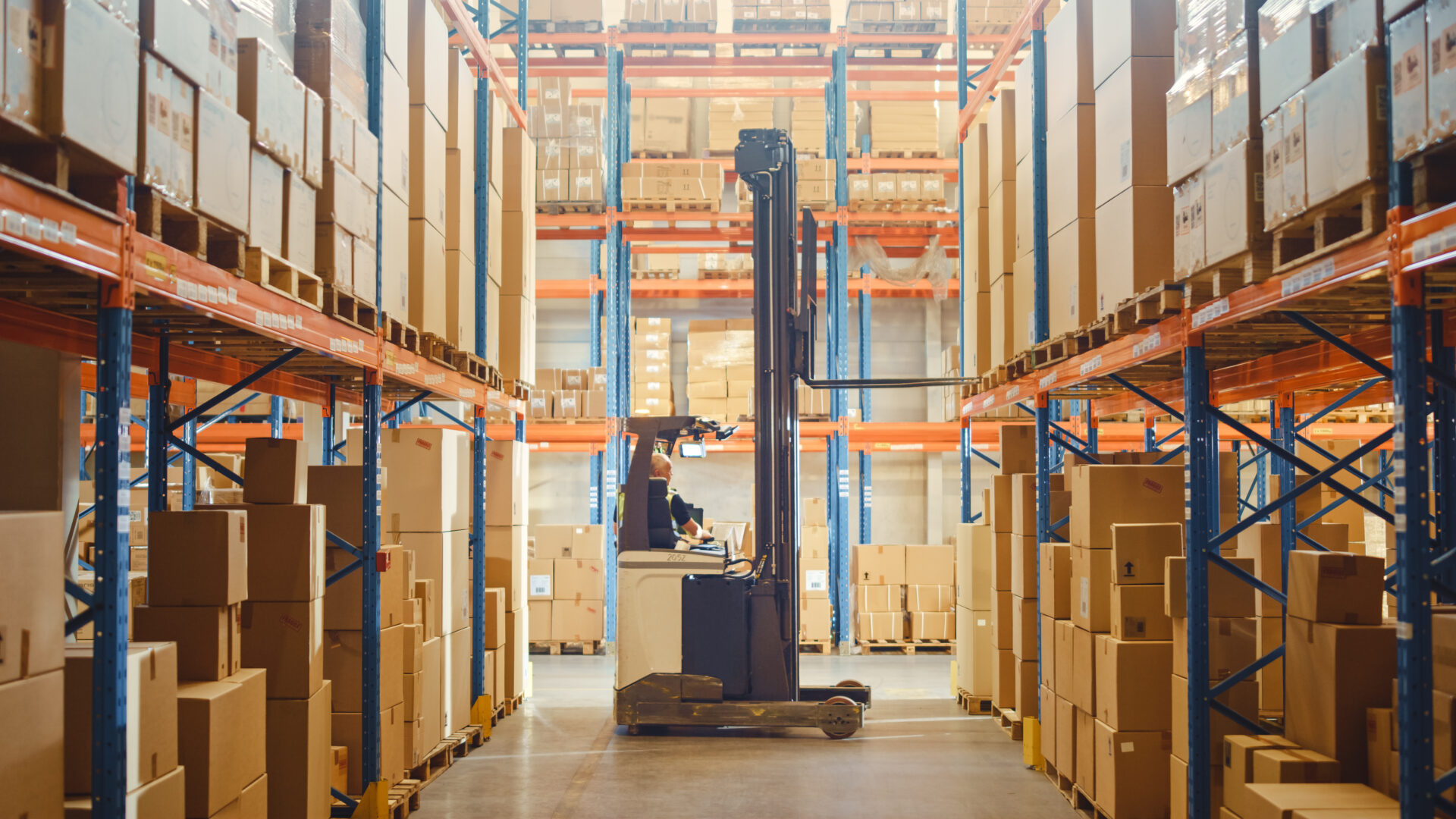
As the name suggests, Class II forklifts are designed for maneuverability and navigating narrow spaces or along tight corridors. Commonly seen in retail warehouses, they are perfect for picking and putting away inventory. Because of their narrow form-factor, these trucks make it possible for warehouses to maximize their racking space without needing to rearrange or change their floorplan.

Class III – Electric Motor Hand Truck

The Class III group of forklifts includes pallet jacks, stackers, and tow tractors. These trucks come both in models that can be ridden or walked behind and are perfect for unloading deliveries from the back of trucks, and for moving loads from one location to another. Instead of having a cabin or other external controls, these trucks are maneuvered manually, either by pushing or pulling.

Class IV – Internal Combustion Engine with Cushion Tires

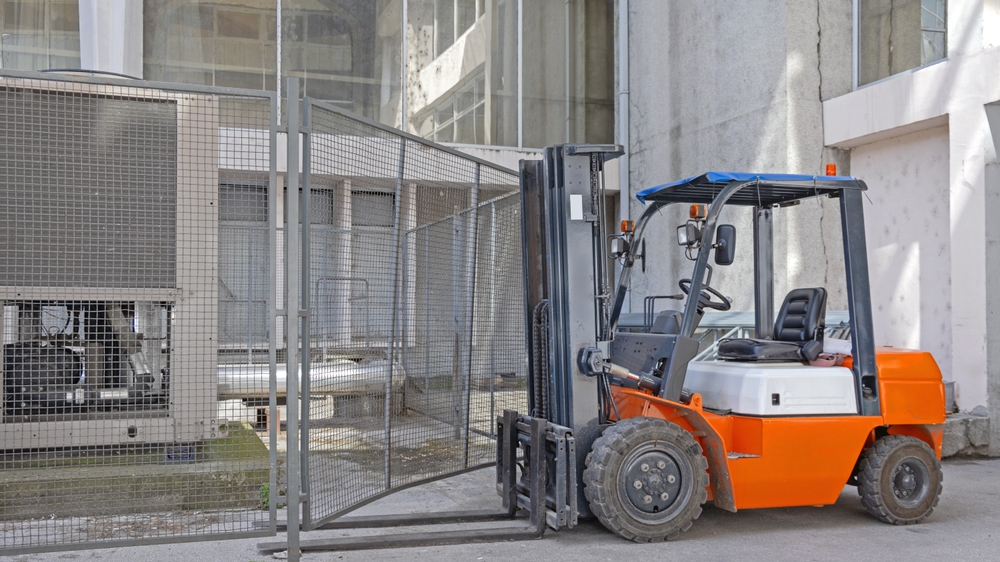
Designed for indoor use, Class IV trucks utilize an internal combustion engine that runs off of diesel fuel, LP Gas, gasoline, or compressed natural gas. Their tires are solid, but cushioned, to ensure a smooth ride that is 100% puncture proof. These trucks are similar to Class I forklifts in appearance, with the main difference being in their fuel-type and tires. Keep in mind that these trucks emit fumes and should only be used in facilities that have adequate ventilation.

Class V – Internal Combustion Engine with Pneumatic Tires

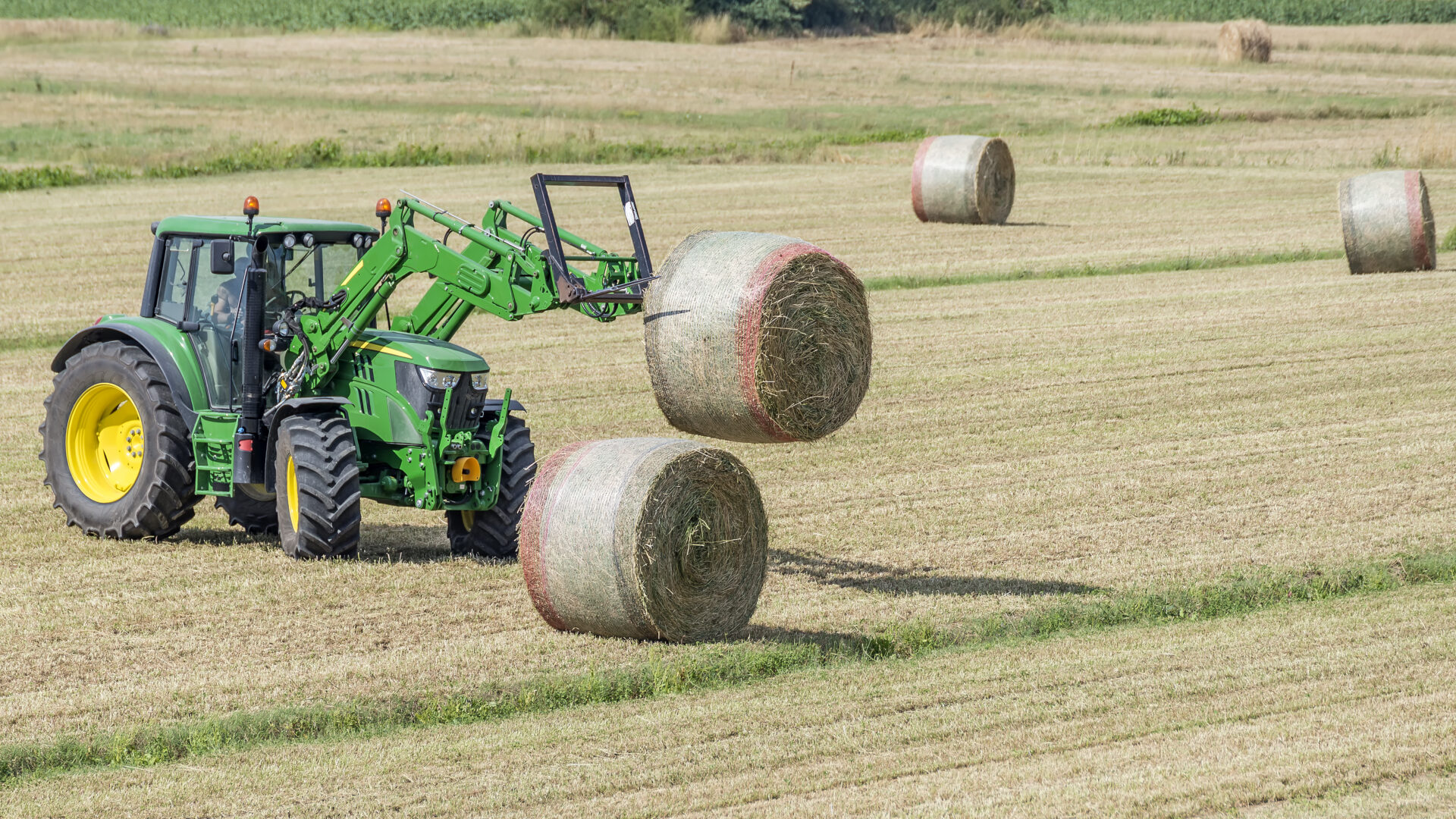
Need a forklift that can handle uneven terrains? A Class V is likely perfect for you. Similar to Class IV in fuel type, this classification of forklift has pneumatic tires that are ideal for lumberyards, construction sites, and other outdoor sites. 

Class VI – Electric and Internal Combustion Engine Tractors

The most common place you might see a Class VI forklift is at an airport, where they are needed to tow, rather than lift. Designed specifically for pulling loads of all sizes, electric and internal combustion engine tractors are capable of towing loads up to 50,000 pounds. This classification of forklift is also commonly found in assembly lines where moving large, heavy loads is necessary to keep production moving.

Class VII – Rough Terrain Forklift Truck

These forklifts are the off-road warriors of forklift classifications. Designed to be used on rough, uneven surfaces they are perfect for working outdoors on gravel or dirt paths. Since they are made with specialized tires and counterweights, they are specific to outdoor use, where carrying loads safely over uneven and unexpected terrain is necessary,

Choosing the Right Forklift for the Job

With all of those classifications in mind, it can seem daunting to choose the right one. There are a few important factors to consider when it comes to choosing the forklift you need for your lifting operation. We recommend keeping the following in mind to help make your choice.

  • Fuel Type: Is your job site indoors or outdoors? If you’re working indoors, does your facility have adequate ventilation or sound management? Ensuring the safety of your worker’s health and well-being is critical, so choosing a forklift with an electric battery may be necessary as they run quieter and with no emissions. 
  • Load Capacity: What are the requirements for your lifting operations? What materials do you need to transport? Are you moving lightweight, but awkward shapes? Or, do you need a more heavy duty machine to ensure you can safely lift large and heavy loads? Consider what you’re lifting and where it needs to be transported when choosing your forklift.
  • Job Site Requirements: The biggest deciding factor when choosing a forklift classification that is right for your job is going to be the worksite environment. A warehouse with narrow racks is going to require a forklift with the dimensions and maneuverability to meet those needs, while a construction site with rocky and uneven terrain will need one with the ability to safely move loads from one side of the site to another. Carefully consider your worksite before making a decision.

The Highest Quality Fork Arms and Attachments

At ICHINEN USA, our goal is to provide the highest quality, 100% heat treated fork arms and fork attachments. Whether you choose the popular and versatile Class I forklift, or need a heavy-duty Class VII for your outdoor worksite, pair it with a set of our Premium or Standard fork arms to maximize efficiency and safety. If you have questions about which fork arm is right for your forklift, contact us today! And, keep an eye out for our upcoming article that details the different types of forklift arms and forklift attachments.

Protecting Your Investment: Proper Storage and Handling of Spare Forklift Forks

In this article, you’ll learn:

  • Why the proper storage of your fork arms and fork arm attachments is crucial to maintaining their quality and functionality
  • Best practices for storing your fork arms and fork arm attachments when they’re not in use.
  • How to safely handle and transport your fork arms and fork arm attachments.

Keeping spare forklift fork arms and fork arm attachments on the worksite is essential to ensuring your warehouse, construction site, or packaging facility stays flexible. With spare parts on hand, operators and technicians can make quick swaps for specialized attachments or take immediate action by replacing damaged sets, preventing costly downtime. However, because they often spend more time idle than in use, the handling and storage of these spare parts and attachments are frequently overlooked.

This oversight can become costly. After all, improper storage and handling can lead to dings, corrosion, premature wear and wear, and compromised structural integrity. A weakened fork is a major safety risk, as well as a liability. At ICHINEN USA, we take the safety of our customers and their worksites very seriously. That’s why we created this guide. It will outline the steps your team can take to secure, store, and handle spark fork arms and fork arm attachments to ensure compliance, operator safety, and maximum service life.

Why Proper Storage is Critical

Fork arms, like ICHINEN USA’s Standard and Premium forks, are engineered to sustain immense, dynamic forces. How you maintain them when they’re no longer attached to the truck directly impacts their service life and their safety rating. 

Safety and Regulatory Compliance

Every fork has a specific load rating determined by several factors: material, design, and dimensions. Any damage, be it a deep gouge, a small nick or a slight bend, compromises that original manufacturer rating. Federal regulations, set forth by the Occupational Health and Safety Administration (OSHA) and the American National Standards Institute (ANSI), mandate that damaged forks must be immediately taken out of service for repair or replacement.  Beyond structural damage, leaving loose forks unsecured in a walking path for example, is a serious tripping hazard that creates unnecessary liability. A dedicated storage system is the first step towards safer operation.

Preventing Wear and Tear

Fork arms may be expensive to replace, but corrosion and environmental exposure can drastically shorten their lifespan. Exposure to moisture, chemicals, or extreme shifts in temperature can accelerate corrosion, weakening the metal and hiding microscopic cracks. Another common, but incorrect practice, is to store the forks with their tips resting on the ground – this causes abrasion and creates unnecessary stress points at the tips and heels. Proper storage prevents these environmental and contact-related stresses.

Financial Protection

Ultimately, the goal of properly storing your fork arms and fork arm attachments is to protect your financial investment. Extending the lifespan of a set of high-quality forks, especially heavy-duty or specialized attachments, maximizes the return on your investment and can help reduce unpredictable replacement costs.

Fork Arm Storage Best Practices

Following these storage best practices should help ensure the longevity of your spare fork arms and fork arm attachments. 

  1. Designated and Secured Location. Spare forks should never be left unsecured in high-traffic areas, through-ways, or against walls where they can slide or fall. Establish a clearly marked, restricted access storage area – a dedicated “fork bay.” This area should be located away from vehicle, product, and foot traffic to prevent accidents. 
  2. Proper Racking. Fork arms should, ideally, be stored vertically in racks. These racks are designed to separate each arm, cradle the heel, and keep the weight balanced, eliminating the risk of your forks leaning, sliding, or getting damaged by coming into contact with one another.
  3. Rust and Environmental Control. Whenever possible, store fork arms indoors in a dry, covered, and temperature-stable environment. Before placing your forks into long-term storage, follow these steps:
    – Clean off debris, dirt, and chemical residue.
    – Apply a light coat of protective oil or corrosion inhibitor to all friction points, the shank, and any unpainted surfaces, especially where the fork locks into the carriage.
    – Ensure the floor of the storage bay is clean and dry to prevent moisture from wicking up into the metal.

Safe Handling and Transportation

When fork arms are moved between the truck and the storage rack is when damage is most likely to occur. Taking some extra precautions while transporting your fork arms can help prevent unnecessary damage. With this in mind, always remember the following when transporting or moving your fork arms or attachments:

  • Never Drag or Drop your fork arms. A common mistake is dragging a heavy fork across the floor to move it a short distance. Dragging causes abrasion to the bottom surface, which can create stress risers – tiny points of weakness where cracks are most likely to originate under load. Likewise, dropping or allowing forks to swing uncontrollably during installation or removal creates impact points that can cause immediate microfractures. Always move forks intentionally and smoothly.
  • Forklift Assisted Transport. Fork arms are extremely heavy and awkward. A worker should never attempt to manually carry a full-sized fork arm. This creates a severe ergonomic and crushing risk. When moving spare fork arms, always use another forklift or dedicated transport cart designed for heavy components. The moving forklift should lift the spare arm, keep it low to the ground, and fully tilted back to secure it during transit.

Have your fork arms been dragged, dropped, or potentially exposed to mechanical damage? Check out our blog about properly inspecting your fork arms for damage

Your Partner in Securing your Investment

Properly storing your fork arms is a critical component of risk mitigation, asset protection, and workplace safety. By implementing a dedicated, clean, and secure storage system for your spark forks and attachments, you protect your operators from accidents and prolong the service life of one of your most crucial pieces of equipment.

Your lifting operation relies on quality and durability. When it comes time to replace your fork arms, choosing products built to meet the toughest standards ensures your long-term operational success and at ICHINEN USA, we’re ready to help. Contact us today to discuss your specific application and determine the right fork arms for your needs. Until then, stay safe and continue to protect your investment!

Understanding OSHA Regulations for Forklift Arms and Attachments

In this article, you’ll learn:

  • The Occupational Health and Safety Administration’s (OSHA) regulations for forklift arms and attachments.
  • Why proper maintenance of forklift arms is necessary to worksite safety.
  • What to look for to determine if your fork arms and attachments are in good working order.
  • What a forklift operator should do in the event their forklift arms need replacement.

These days, there’s hardly a warehouse or construction site in America that is not using forklifts. In fact, no matter your industry, if it’s in logistics of some kind, you can be assured that there will be at least one forklift on site. These versatile machines lift, move, and stack heavy loads with what seems like zero effort. Unfortunately, despite their utility, forklifts are a leading cause of serious workplace injuries. Most of these incidents are caused by user error, but some of them are caused by modifications and attachments.

Attaching arms, clamps and other accessories is a perfectly acceptable modification to make to your forklift. However, they also add new variables. Additional forklift attachments cause change weight distribution, reduce visibility, and change the way the machine is operated. Attachments can turn a safe machine into a dangerous one if not managed correctly. 

At ICHINEN USA, we manufacture the highest quality, 100% heat treated fork arms and fork arm accessories and have been at it for a while. In our recent blogs, we have been focusing on forklift safety because we know what can happen when one of these powerful machines is not utilized properly. That’s why we’re choosing to focus on this topic and in this blog, we aim to provide a straightforward look at the Occupational Health and Safety Administration’s (OSHA) recommendations and regulations regarding forklift arms and attachments. That way, you’ll be able to keep your operations compliant and most important, your team safe.

OSHA’s Commitment to Workplace Safety

In our last blog, we broke down how to inspect your fork arms. We discussed a common experience for forklift operators – the OSHA mandated pre-operation inspection. Any certified operator knows that before they operate a forklift for the first time during their shift, they must do a visual inspection of the machine and all of its components to know that it is in functional condition. This inspection came from necessity. With these powerful machines made more accessible, more and more worksite employees were getting injured. Thankfully, we have the Occupational Health and Safety Administration looking out.

OSHA is the federal agency responsible for setting and enforcing standards that ensure safe and healthy working conditions. For powered industrial trucks like forklifts, the regulating document is OSHA Standard 29 CFR 1910.178. While OSHA covers everything from training an operator to proper regular maintenance, there is a strong emphasis on attachment safety because they fundamentally change how a forklift operates.

Imagine it this way: a forklift is a highly engineered machine with very precise requirements. When you add a heavy attachment, you’re not just adding weight; you’re ‘derating’ the machine. Derating means you have reduced its lifting capacity and shifted its center of gravity. When working with a tool designed specifically for balanced lifting, this seemingly minor change can significantly increase tip-over risk or the chances for dropped loads. Hazards like these can even lead to catastrophic accidents. For OSHA (and for us at ICHINEN USA), compliance with these regulations isn’t just about avoiding a fine – it’s about preventing those injuries and fatalities in the first place. These rules are in place so that every modification is carefully considered and implemented correctly. That way, every person on the worksite is protected.

A Daily Commitment to Inspection and Maintenance

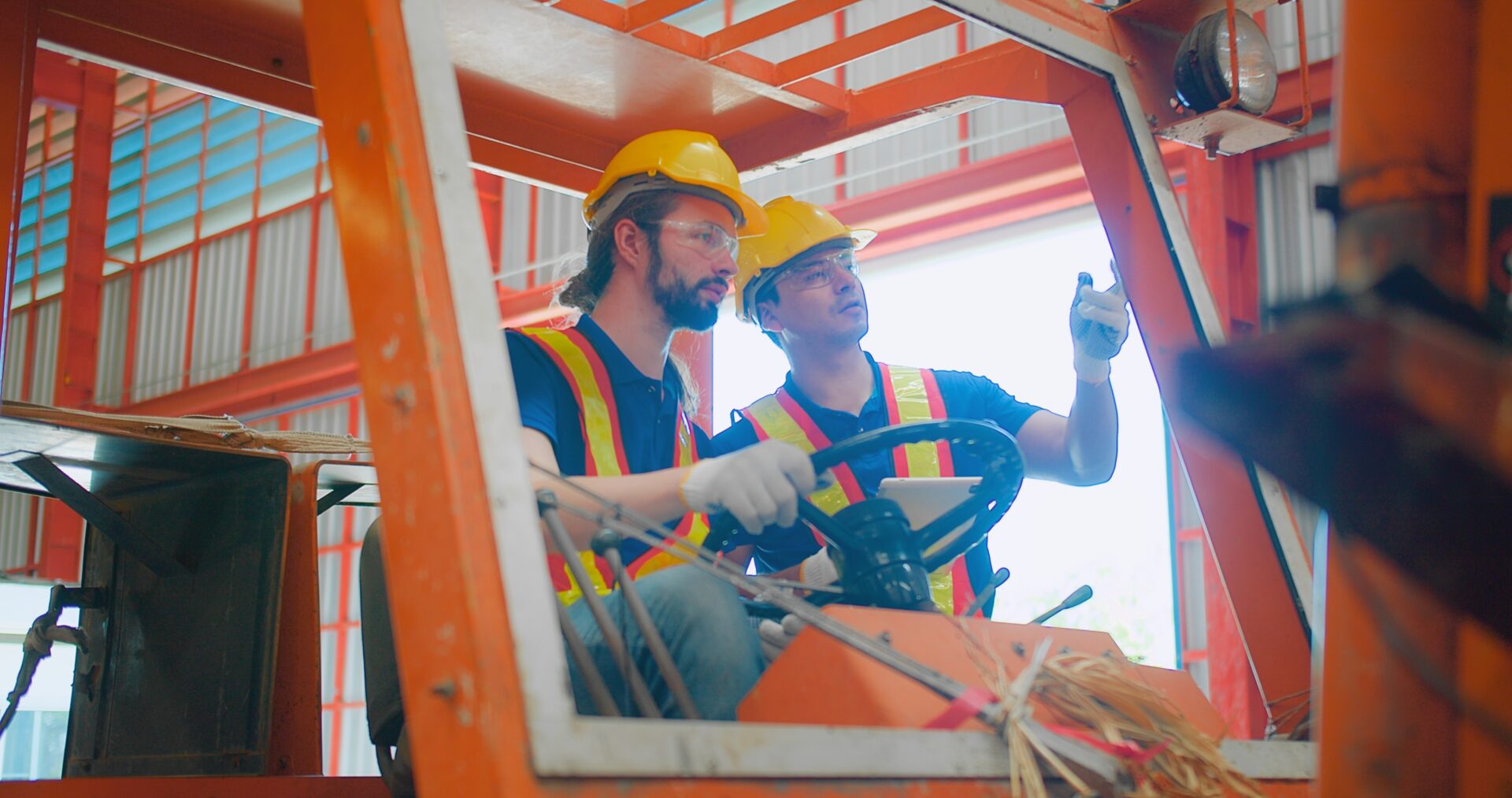
Compliance is not just a one time commitment; it is a continued agreement that starts at the beginning of every shift. Forklift operators are specially trained professionals who are capable of making a big impact on their worksite. While a standard pre-operation forklift inspection should happen any time a forklift is being used for the first time during a shift, the inspection must be tailored to include the specific fork arm attachment. These inspections are a big part of protecting your operation from making common forklift safety violations.

Once the attachment has been properly secured and before the operator turns the forklift key, a pre-operation inspection of that attachment is required. 

The visual inspection should include:

Attachment Integrity: Check for any signs of cracks, bends, or other damage to the attachment itself. Do not forget to inspect the underside, where the attachment can drag when used close to the ground.

Hoses and Connections: Inspect the hydraulic hoses for any leaks, frayed spots, or cuts. Ensure all pills and locking mechanisms that are used to secure the attachment to the forklift are properly seated and secure.

Smooth Operation: Once the engine is on, test the attachment. It should move without any hesitation or jerky motions. And, there should be no unusual noises.

In the event that an operator discovers an issue with their forklift or fork arm attachments, they should immediately stop using the machine, and follow proper procedures to lock-out-tag-out the forklift until a more thorough inspection can be done to determine what further action should be taken. Never operate a forklift that does not pass OSHA’s Pre-Operation inspection checklist.

Empowering You to Move Forward

At ICHINEN USA, we’re grateful to be a part of ensuring forklift safety is front and center for our customers across all industries. From agriculture to entertainment, forklifts ensure that our economy keeps flowing. That’s why we’re committed to getting the highest quality fork arms and forklift accessories to those who need them. Take a moment to determine if your forklift arms are in need of replacement, and then check out our inventory of 100% heat treated fork accessories to see which one is right for you.

And, if you need some help determining the right fit, don’t hesitate to contact us today!

Forklift Arm Inspections: What You Need to Check Before Operation

Every properly trained forklift operator knows that they must do a pre-operation safety inspection of their forklift and its components before operating a machine for the first time that shift. This inspection, a requirement of the Occupational Safety and Health Administration (OSHA), ensures that before an operator puts the forklift into use, they’ve verified that all of the required components are in place, and correctly maintained. By doing these regular checks, operators can help prevent accidents, reduce maintenance costs, and ensure the forklift is operating at its most efficient. These inspections are holistic, and involve the entire truck, from top to bottom, from the steering wheel to the forklift arms.

But, how exactly do you determine if a forklift fork arm passes inspection? At ICHINEN USA, we manufacture 100% heat-treated fork arms and fork arm accessories developed with quality and safety in mind. We understand how crucial to safety and efficiency fork arms are – a fork arm that needs replacing can put your lifting operations at risk. So, we decided to break down exactly what operators need to look for when inspecting their fork lift’s fork arms during their pre-operation inspection. First, let’s take a look at the components of a fork arm.

The Anatomy of a Fork Arm

Before diving into the inspection process, it’s crucial to understand the parts of a fork arm and how they work together to ensure safe and efficient lifting. In general fork arms have the following components:

  • Heel: The heel is the bend where the vertical and horizontal parts meet. This is a high-stress area.
  • Blade/Tine: The long, flat part that slides under the load.
  • Shank: The vertical part that connects to the forklift carriage.
  • Locking Pin/Clip: The mechanism that secures the fork to the forklift carriage.

When all of these pieces are properly maintained and in good condition, fork arms provide optimal lifting and ensure safe maneuverability around the worksite.

Step-by-Step Pre-Operation Checklist

While OSHA’s pre-operation checklist involves the entire forklift, use this checklist to determine the condition of your forklift’s fork arms. It is not intended to replace OSHA’s required pre-operation inspection. All operators should reference this checklist as an enhancement to their regular forklift pre-operation checklist.

  • Step 1: Check for cracks and bends.  Even small cracks can lead to catastrophic failure. Look for any cracks, especially at the heel. Inspect the blade and look for signs of bending or twisting. 
  • Step 2: Perform a fork wear thickness test.  Over time, the bottom of the fork wears down from dragging and scraping. Using a fork caliper or ruler, measure the thickness of the blade near the heel. Compare this to the original thickness (should be stamped on the fork). If the thickness has been reduced by 10%, the industry standard is to replace it..
  • Step 3: Check the angle and straightness. A drooping or misaligned fork can cause the load to slip or become unstable. Visually inspect the fork arm from the side to ensure the blade is parallel to the ground when the carriage is level. Use a straight edge.
  • Step 4: Inspect the pins and clips. If a locking mechanism fails, a fork can slide off, leading toa dropped load and serious safety hazards. Ensure all locking pins are present, fully engaged, and not broken or loose.
  • Step 5: The carriage and mounting inspection. The carriage is the direct link between the hydraulic lift and the forks. An issue here will affect the entire lifting system. Inspect where the forks attach to the carriage. Ensure there is no wear in the mounting brackets.

Safety Note: OSHA requires that all forklifts be inspected at least once daily, before being placed in service. However, operators should perform a pre-operation safety inspection of any forklift they use for the first time, no matter if it’s the beginning, middle, or end of their shift.

What to Do If You Find an Issue

If you determine that your fork arms are in need of replacement or repair, that forklift must immediately be removed from service. Using a lock-out-tag-out system, or something similar, operators should clearly mark the forklift as inoperable and report to their supervisor or management. A forklift that is not ready for service can be a significant risk to your lifting operation’s safety. Take these steps to ensure you properly report maintenance issues during your pre-operation check.

  • Do NOT operate your forklift. Immediately tag out and remove it from service.
  • Report the issues to your supervisor or the maintenance department.
  • Document the issue and the forklift’s serial number in your operation maintenance logs

Make Safety a Habit

Taking just a few moments before operating a forklift for the first time during your shift to conduct a pre-operation inspection can prevent costly damage to machinery and product, and also potentially save lives. Just like putting on your hard hat or other protective gear, make inspecting your forklift’s fork arms daily part of your routine. Building a safe and efficient operation is everyone’s role. Don’t let worn, bent, or cracked fork arms get in the way of your ability to work safely.

If you are in need of replacement fork arms, please take a moment to look at our selection of 100% heat treated standard and premium forks. And, if you’re looking for replacement fork arm attachment accessories, ICHINEN USA is there for you, too! Contact us today to learn more!

6 Industries Made More Efficient by Forklifts

Visit almost any industrial facility today – a bustling warehouse, a humming manufacturing plant, or a sprawling construction site – and you’ll quickly spot them: forklifts. The workhorses of the industrial world, forklifts glide, lift, and transport with an almost effortless grace, moving loads that would be impossible for humans to handle. 

At ICHINEN USA, we know forklifts intimately. As a leading manufacturer of high-quality fork arms, components, and equipment for forklifts, we understand that forklifts are not merely machines; they are vital tools that transform and optimize operations across a diverse range of industries, making them safer, more efficient, and ultimately, more profitable. 

Forklifts & the Industry Revolution

With our experience manufacturing fork arms and fork accessories, we’ve had the opportunity to work with the many different industries that utilize forklifts in their operations. Though there are other places where these versatile machines may be seen, the following industries have been reshaped by forklifts forever, making them safer and far more efficient. 

Warehousing & Logistics

Perhaps the most obvious beneficiary, the warehousing and logistics sectors rely almost entirely on forklifts. They enable high-density storage solutions, allowing facilities to maximize every cubic foot of space. Rapid order fulfillment, efficient cross-docking operations, and precise inventory management would be impossible without them. Read our blog to learn more about the benefits of forklifts for warehousing.

Manufacturing & Production

In manufacturing, forklifts are indispensable for the seamless movement of raw materials to production lines, the transport of work-in-progress between stations, and the efficient handling of finished goods ready for shipment. Modern just-in-time (JIT) delivery systems are entirely dependent on the swift and precise internal logistics that forklifts provide. Whether it’s handling delicate electronic components or maneuvering massive machinery parts, the precision and heavy-duty nature of the fork arm are paramount.

Retail & E-commerce Distribution Centers

The explosion of retail and e-commerce has put immense pressure on distribution centers, making them the backbone of modern consumerism. Forklifts are key to the speed and accuracy required for picking, packing, and shipping millions of items daily. Here, agile forklifts navigate narrow aisles and handle an incredibly wide variety of product sizes and weights with efficiency.

Construction

On dynamic construction sites, forklifts are essential for transporting heavy building materials such as bricks, lumber, steel beams, and prefabricated components. They significantly improve safety by reducing the need for manual handling of cumbersome and heavy loads, and as a result, they minimize worker fatigue and injury risk. 

Agriculture & Food Processing

From the fields to the processing plants and ultimately to cold storage, forklifts play a vital role in the agriculture and food processing industries. They are used for moving harvested produce, handling bulk ingredients, and stacking finished food products. In hygiene-sensitive environments, specialized fork arms, often made of stainless steel, ensure compliance and cleanliness, while others are designed for the delicate handling of fresh produce or the robust lifting of heavy bulk bags.

Ports & Shipping

At the heart of global trade, ports and shipping yards are scenes of constant activity, with forklifts tirelessly loading and unloading cargo from ships, trains, and trucks. The sheer volume and weight of goods moved demand for forklifts with extreme load capacities and the ability to operate continuously under immense pressure. This is where the most durable and robust forklifts truly prove their worth, ensuring the uninterrupted flow of goods across continents.

Uplifting Your Industry’s Potential

As industries evolve, so too do the demands on material handling equipment. Trends like automation, the rise of electric forklifts, and the development of smart warehouses are reshaping the landscape. At ICHINEN USA, we are continuously innovating, developing fork arms that are compatible with new automated systems, and crafting customized solutions for the emerging needs of every sector.

Our commitment remains steadfast: to continue supporting these vital industries with cutting-edge fork arm technology, ensuring that the unsung heroes of efficiency – forklifts – always have the best tools for the job.

Forklifts are truly indispensable to the efficiency, safety, and profitability of countless industries worldwide. Their ability to move, stack, and organize materials with unparalleled speed and precision is a cornerstone of modern commerce. If you’d like to learn more or are interested in discussing upgrading or replacing your forklift’s fork arms or fork arm accessories, contact us today!

Why Fork Arm Maintenance is Critical for Safety and Efficiency

Did you know that every year an average of 87 workplace deaths are caused by forklifts? These accidents happen for many reasons and unfortunately improper maintenance is often one of them. Forklifts are crucial tools on any worksite in almost every industry, from manufacturing to entertainment because of their ability to lift and transport heavy loads. Using the upward lift of fork arms, forklifts are able to carry their cargo from one place to another. 

With all of their heavy lifting around the worksite, it’s no wonder that keeping up on your forklift’s maintenance is critical for the safety of your operation and workforce, but also ensures your day-to-day work continues to run efficiently. 

At ICHINEN USA, we manufacture standard and premium fork arms and fork arm accessories and have learned a lot about forklift safety along the way. In this blog, we are going to take a look at what could happen if you do not maintain your fork arms, how maintenance can drive operational efficiency, and some quick tips on fork arm maintenance.

Safety Risks of Undermaintained Fork Arms

OSHA regulations state it is important to perform regular maintenance according to the manufacturer’s scheduled recommendations, on top of daily pre-operation inspections. A forklift that is not properly maintained can pose the following safety risks:

Compromised Structural Integrity

  • Cracks and Bends: Stress from daily use, bumps, and scrapes can lead to invisible (or hard-to-see) cracks and subtle bends, significantly weakening the fork arm.
  • Wear and Tear: Thinning of the fork heel or blade and excessive tip wear reduce the fork’s load-bearing capacity below its rated limit, making it unsafe for its intended use.
  • Material Fatigue: Over time, repeated stress can weaken the metal, leading to sudden failure without obvious warning signs.

Load Instability and Dropped Loads

  • Uneven Forks: Discrepancies in fork height or angle create an unstable platform, causing loads to shift, tip, or fall.
  • Reduced Load Capacity: Worn forks cannot safely handle their rated weight, increasing the risk of load failure.
  • Consequences: Damage to valuable inventory, surrounding equipment, and, most critically, potential injuries to personnel from falling loads.

Operator Injury and Fatality

  • Direct Impact: Falling loads or overturning forklifts (due to load instability) can cause severe injuries or fatalities to operators and those nearby.
  • Indirect Risks: Operators may compensate for faulty equipment, leading to fatigue, reduced focus, and increased accident likelihood.

Legal and Compliance Ramifications

  • Regulatory Fines: Non-compliance with safety standards (e.g., OSHA regulations) due to neglected maintenance can result in hefty fines.
  • Liability: Businesses face significant legal liability, potential lawsuits, and reputational damage in the event of accidents caused by faulty equipment.

How Maintenance Drives Efficiency

Beyond safety, proactive fork arm maintenance is a strategic investment that directly enhances operational efficiency, reduces costs, and maximizes your equipment’s lifespan. When you ensure that your equipment is in good working order, you can expect many positive operational impacts.

Reduced Downtime

  • Regular inspections catch minor issues before they escalate into major breakdowns, shifting from costly reactive repairs to more efficient preventative maintenance.
  • Avoiding unexpected downtime means consistent operations, fewer production delays, and significant savings from not having forklifts out of commission.

Optimized Load Handling

  • Properly maintained forks ensure a stable, secure grip on loads, minimizing slippage and enabling confident lifting.
  • Operators spend less time adjusting unstable loads, leading to smoother, quicker picks and placements, and overall improved warehouse throughput.

Extended Equipment Lifespan

  • Healthy fork arms reduce strain on other critical components like the mast and hydraulic system, preventing premature wear across the entire machine.
  • Extending the operational life of your forklifts means getting more years of service from your initial investment, delaying costly equipment replacement.

Lower Operational Costs

  • Addressing minor fork arm issues proactively prevents them from escalating into expensive, complex overhauls.
  • Fewer dropped or mishandled loads directly translates to less wasted inventory and associated financial losses.
  • A proactive maintenance approach contributes to lower insurance premiums (in some cases) and a more cost-effective, efficient operation.

Practical Fork Arm Maintenance Tips

Keeping up with your forklift maintenance doesn’t need to be complicated or interrupt your operation. With some intentional planning and scheduling, as well as careful handling by trained operators, maintaining a forklift fits right into any businesses day-to-day operations, no matter the industry. Consider these tips as you work your forklift’s maintenance into your schedule.

Regular Visual Inspections: Every forklift operator should inspect their equipment before use, looking for cracks, bends, wear and tear, and locking pins. They should also have access to a clear reporting system to identify any potential issues. No operator should attempt to operate a forklift that does not pass daily inspection.

Scheduled Maintenance: How frequently you maintain your forklift will depend on how often you use it and the manufacturer’s recommendations. It is important to schedule maintenance by professional technicians who are qualified to perform forklift maintenance. This way, you can rest assured that your equipment has been properly maintained and is ready to continue work.

Maintenance Checks: While it’s important to know how to tell if your fork arms need replacement, keep an eye on these specific areas of the fork arm to watch for maintenance opportunities:

  • Fork Tip and Heel Wear
  • Blade Straightness/Squareness
  • Check for Top Hooks & Pins
  • Fork Arm Angle/Levelness

Careful Handling: Ensuring that forklift operators are properly trained, adhere to capacity limits, and do their best to drive smoothly and avoid impacts will help you lower the likelihood that you will need to maintain or replace your fork arms.  Safe operating is the number one way to prevent unnecessary damage to fork arms and lower their maintenance needs. 

Prioritize Safety, Optimize Operations

Staying on top of your forklift’s maintenance will not only make your worksite safer, it will also increase your operation’s efficiency. At ICHINEN USA, we believe that everyone has a responsibility, from operators all the way to us, fork arm manufacturers, to be actively involved in prioritizing safety and efficiency. By participating in daily inspections, scheduling preventative maintenance, and knowing when a fork arm needs to be replaced, you can ensure safety remains top of mind today, preventing major problems tomorrow.

If you have a forklift that needs replacement fork arms or fork arm accessories, contact us to learn which fork arm fits your unique lifting needs!

Summer Maintenance Tips to Prevent Forklift Arm Damage

When forklift arm damage occurs, it doesn’t just stop your material handling operations; it impacts productivity, frustrates teams, and can create serious forklift safety hazards. 

Heading into the demanding summer months, businesses need to take a proactive approach through dedicated forklift maintenance. Implementing targeted routines to safeguard these vital components is far better than reacting to problems. 

In this post, we’ll outline actionable summer maintenance tips designed to help you identify potential issues early, protect your forklift arms from damage, and keep your fleet operating efficiently all season long.

Summer Weather Affects Forklift Arm Functionality

While heat can sometimes be helpful, it can damage important parts, such as forklift arms for some large equipment vehicles. Not being able to properly use your equipment’s forklift arms can cause delays to your operation and major headaches that can easily be prevented.

Recently, we discussed how to prepare your forklift arms for any type of seasonal weather. This blog will focus on just the hotter months of the year, starting with understanding what heat can do to your parts.

What potential issues can you run into with heat? Here are a few broken down by type of Forklift.

Internal Combustion (IC) Engine Forklifts

  • Coolant—Summer heat increases engine stress. Ensure the coolant is topped up. Flush and replace old or deteriorated coolant to prevent overheating.    
  • Radiator—Check for damage, leaks, and debris (like leaves) restricting airflow, which can reduce coolant flow. If clogged or damaged, clean, backflush, or replace it.
  • Hoses & Belts—Summer heat can dry and crack these rubber parts. Inspect carefully before each shift and replace them promptly if damage is found.
  • Oil & Air Filters—Hot weather degrades oil faster, and dusty summer conditions clog filters. To protect the engine, change both oil and air filters more frequently during summer.

Electric Forklifts

  • Batteries—High temperatures during the summer can cause forklift batteries to overheat and degrade more quickly. Regularly inspect and replenish battery water levels as needed.
  • Electrical Connections—Rubber electrical insulation deteriorates more rapidly in hot weather. Check all connections and replace wires and cables whose insulation has cracked or deteriorated. 

All Forklifts

  • Hydraulic System—Extreme heat places extra stress on the hydraulic system, potentially speeding up wear on hoses, fittings, and seals. To maintain system integrity, perform regular checks for any heat-related damage or leaks.
  • Mechanical Systems—Summer heat reduces forklift lubricant effectiveness, increasing wear. Inspect and lubricate forks, masts, chains, steering, and wheels regularly, reapplying lubricant when needed.
  • Tires—Heat during the summer quickly degrades forklift tires. Check pneumatic tire pressure frequently to prevent potential overinflation, cracks, or blowouts. Maintain the recommended pressure for safe operation.

Train Employees to Detect Potential Issues Early

Regarding the integrity and safety of your forklift arms, the old adage “a stitch in time saves nine” couldn’t be more fitting, especially as the demands of summer operations pick up. Catching potential problems in their earliest stages is the most effective strategy to prevent them from escalating into major, costly repairs, significant operational downtime, or even serious forklift safety incidents. 

What might seem like a minor surface crack, a slight bend, or an unusual noise today could indicate a more significant underlying issue that, if addressed promptly, can save your business considerable expense and ensure your team’s safety.

This proactive approach to early detection relies heavily on consistent vigilance and thorough routine checks. It means empowering your forklift operators to be the first line of defense, conducting diligent pre-shift inspections beyond a glance. 

Training them to meticulously look for any visual signs of wear, stress fractures, or deformation on the forks, welds, and carriage, and listen for any new or unusual sounds during operation – like grinding, creaking, or popping – is paramount. These sensory cues are often the first signals that something requires closer attention before compromising the forklift’s arm integrity.

Efficiency and Functionality is Key to Keeping Your Operation Going

Summer maintenance for forklift arms is essential for maintaining efficiency and functionality, ensuring your operations keep running smoothly for several key reasons:

Preventing Unexpected Downtime 

Summer can be a peak season for many businesses, meaning any unexpected equipment failure, like a damaged forklift arm, leads to immediate and often costly downtime. Regular summer maintenance helps identify and address minor issues (like small cracks, worn components, or lubrication problems) before they escalate into major breakdowns that halt operations. A forklift out of commission means delays in moving goods, missed deadlines, and frustrated staff.

Ensuring Peak Performance Under Stress

Higher ambient summer temperatures can stress all machinery components, including hydraulic systems and lubricants crucial for arm operation. Proper maintenance ensures adequate lubricants and that hydraulic fluids are at the correct levels and not overheating excessively. Components aren’t already weakened, allowing the forklift arms to perform optimally even when the heat is on.

Maintaining Lifting Capacity & Accuracy 

Damage or wear to forklift arms (like bent forks, worn fork heels, or issues with the mast/carriage) can compromise the machine’s rated lifting capacity and the accuracy of load placement. This isn’t just inefficient; it’s dangerous. Summer maintenance checks ensure the arms are structurally sound and aligned, allowing for precise and safe handling, critical for operational speed, and reducing product damage.

Upholding Safety Standards 

Damaged forklift arms are a significant safety hazard. A compromised arm could lead to dropped loads, potentially injuring operators or other personnel and damaging goods or facilities. Summer maintenance, focusing on inspection and repair, is critical to upholding safety protocols, contributing to a smoother, more confident, and, therefore, more efficient workforce.

Cost-Effectiveness in the Long Run 

Addressing minor issues found during routine summer maintenance is almost always far cheaper than dealing with a catastrophic failure. Replacing a worn pin or re-lubricating a chain is minor compared to replacing an entire fork assembly or coping with the consequences of an accident. This preventative approach decreases long-term operational costs, contributing to overall business efficiency.

Adapting to Increased Operational Tempo 

For many industries, summer might bring increased demand or specific seasonal projects. Ensuring forklift arms are in prime condition before this ramp-up means the equipment can reliably handle the increased workload without faltering, keeping the entire operational chain moving smoothly.

The Ichinen Guarantee

Forklift maintenance should be a year-round endeavor. This way, when extreme weather hits, you won’t be scrambling to ensure your operations don’t suffer due to equipment failure. 
If you need new forklifts or have questions about which are best suited for your particular operation, contact ICHINEN USA for more information.

5 Signs Your Fork Arms Need Replacement

Any manufacturing, warehouse, or construction worker understands the importance of maintaining the equipment on their worksite, ensuring safety and productivity. Forklifts and their accessories are no different. It may be common practice to maintain and inspect the forklift itself, but did you know that forklift arms also need to be replaced? Forklifts are arguably the most versatile and necessary pieces of equipment on any worksite, and not only can the metal forks take on damage from day-to-day use, but sometimes accidents happen. Fork arms are the heavy lifters on the forklift, and ensuring they are in top condition will keep you and your industry moving forward.

Fork arms are ICHINEN USA’s specialty. We take great pride in manufacturing top-tier forklift arms and accessories, and in our time working with various industries, we’ve learned quite a bit about the implications of worn fork arms. Damaged or compromised fork arms can cause load instability, accidents, and fork breakage. Additionally, even slightly worn fork arms can reduce lifting capacity, cause difficulty handling loads, and increase the chances of dropped or damaged products.

Regular inspection and worker training are critical to ensuring your worksite is safe and avoiding common forklift safety violations. However, knowing when to identify that you need to replace your fork arms will protect you, your product, and your enterprise.

We put together this list of 5 signs that your forklift arms may need to be replaced. Let’s take a look.

#1: Visible Wear and Damage

The Occupational Safety and Health Administration requires all forklift operators to perform a daily pre-operation inspection before using the truck for the day. This inspection is the perfect opportunity for forklift operators to inspect the fork arms themselves for visible wear and damage.

Operators should look for these signs that the fork arms may need to be replaced:

  • Surface cracks or fractures
  • Significant bending or twisting
  • Visible metal fatigue (look for the distinct ‘clamshell’ appearance in the metal)
  • Heel wear (from contact with the ground or other surfaces) that exceed manufacturer specifications

#2: Decreased Load Capacity Performance

Another sign that your forklift arms may need replacing is if you are experiencing decreased load capacity. A forklift with a decreased load capacity may lift a load slowly or unevenly, have difficulty reaching full height, and exhibit a decrease in lifting power, noticeable to operators.

Safety Tip: This may not be noticed until the forklift is in operation, so remember to report any anomalies in performance and discrepancies immediately to the appropriate people within your organization.
Keep an eye out for these indicators that your fork arms may need replacement:

  • Difficulty handling rated loads
  • Uneven lifting
  • Signs of strain under normal operating conditions

#3: Thickness Reduction

As forklifts maneuver about a worksite, lifting or carrying their loads, fork arms drag along the ground, shelves, and the product they lift. This friction slowly wears down the metal, making it thinner and thinner over time. The industry standards for the minimum thickness of fork arms vary, and fork arm thickness is chosen based on the forklift’s load capacity and handling needs. Any fork arm wear over 10% of the total thickness indicates it is time to replace your fork arm.

Knowing how to measure your fork arm’s thickness is necessary to ensure your forklift operates at its peak. Three measurements are essential to record. Using a caliper, capture the following measurements: 

  • Width: Measure the blade from side to side
  • Length: Measure from the shank to the tip
  • Thickness: Measure the blade from the thickest part, bottom to top

#4: Uneven Fork Arms

Fork arms are manufactured close to a 90-degree angle. However, wear-and-tear and minor worksite accidents can sometimes cause fork arms to be bent upwards or downwards, causing the two arms to be uneven. This imbalance can make lifting loads of any size dangerous and cause the forklift to become out of balance enough to tip. Replacing uneven fork arms in pairs is vital, preventing any further misalignment.

Keep an eye (and ear!) out for these clues that your fork arms are uneven:

  • Look for bulges or bents in the shake or blade
  • Check for cracks, especially near the heel
  • Measure the angle and replace fork arms with bends that exceed 93 degrees
  • Listen for strain in the fork stanchions

#5: Age and Usage Hours

Sometimes, the most significant indicator that your fork arms should be replaced is that they have been used for a long time. Every fork arm manufacturer recommends replacement intervals, so checking with your manufacturer for their best practices is key. However, if your enterprise has not replaced its fork arms in some time, consider replacing them as a preventative measure.

Forklift maintenance is a daily, weekly, monthly, and annual commitment. Tracking the use of your forklift and documenting its functionality is necessary to understand the lifespan of your equipment and will help prevent the extended costs of forklift failure. Check your operations records to verify that your machines are being regularly serviced and to ensure there have not recently been any minor accidents that could have damaged your fork arms. 

These less common signs may be an indicator that your regularly maintained forklift arms may need replacing:

  • Damage to the positioning lock
  • Excessive fork hook wear or deformation
  • Fractures or unevenness in arm tips
  • Fork arm documentation is unavailable

Never Settle for Less than Exceptional

Knowing when to replace your forklift fork arms is key to keeping your lifting operations on the move, and preventative replacement can prevent unwanted accidents or downtime.

At ICHINEN USA, we are passionate about providing you with the highest quality, 100% heat-treated standard and premium forks and fork arm accessories. We work hard to help our customers stay safe in their day-to-day operations.

If you’d like to learn more about forklift arms or how we can help you determine the perfect fork arm and fork arm accessories for your lifting needs, contact us today!